When it comes to holiday feasts, few things evoke the warmth of tradition like a Butterball turkey. Known for its juicy and tender meat, this brand has become synonymous with Thanksgiving celebrations across America. But what exactly sets a Butterball turkey apart from the rest?
Butterball turkeys are specially bred and raised to deliver exceptional flavor and texture. With a commitment to quality, the brand ensures that each turkey meets high standards, making it a trusted choice for families looking to create unforgettable meals. From its distinct taste to its ease of preparation, understanding what a Butterball turkey is can elevate any gathering into a memorable culinary experience.
What Is A Butterball Turkey?
A Butterball turkey refers to a specific brand known for its high-quality turkeys, primarily produced for holiday meals, especially Thanksgiving. Butterball Inc., established in 1954, focuses on breeding turkeys that deliver superior taste, juiciness, and tenderness. The company employs specialized breeding programs and nurturing techniques, which promote optimal growth and flavor profiles.
Butterball turkeys undergo a meticulous inspection process to ensure consistent quality. Each bird meets rigorous standards regarding size, skin condition, and weight, typically ranging from 8 to 30 pounds. The brand’s commitment to quality alleviates customer concerns regarding preparation, as Butterball offers guidelines for cooking, thawing, and roasting.
Consumers appreciate Butterball turkeys for their flavor and moisture retention, resulting from their unique feeding and care strategies. The brand also features various options, including organic, pre-seasoned, and self-basting varieties, which cater to diverse culinary preferences. Butterball remains a household name, symbolizing reliability and superb taste in holiday gatherings.
History Of Butterball Turkeys
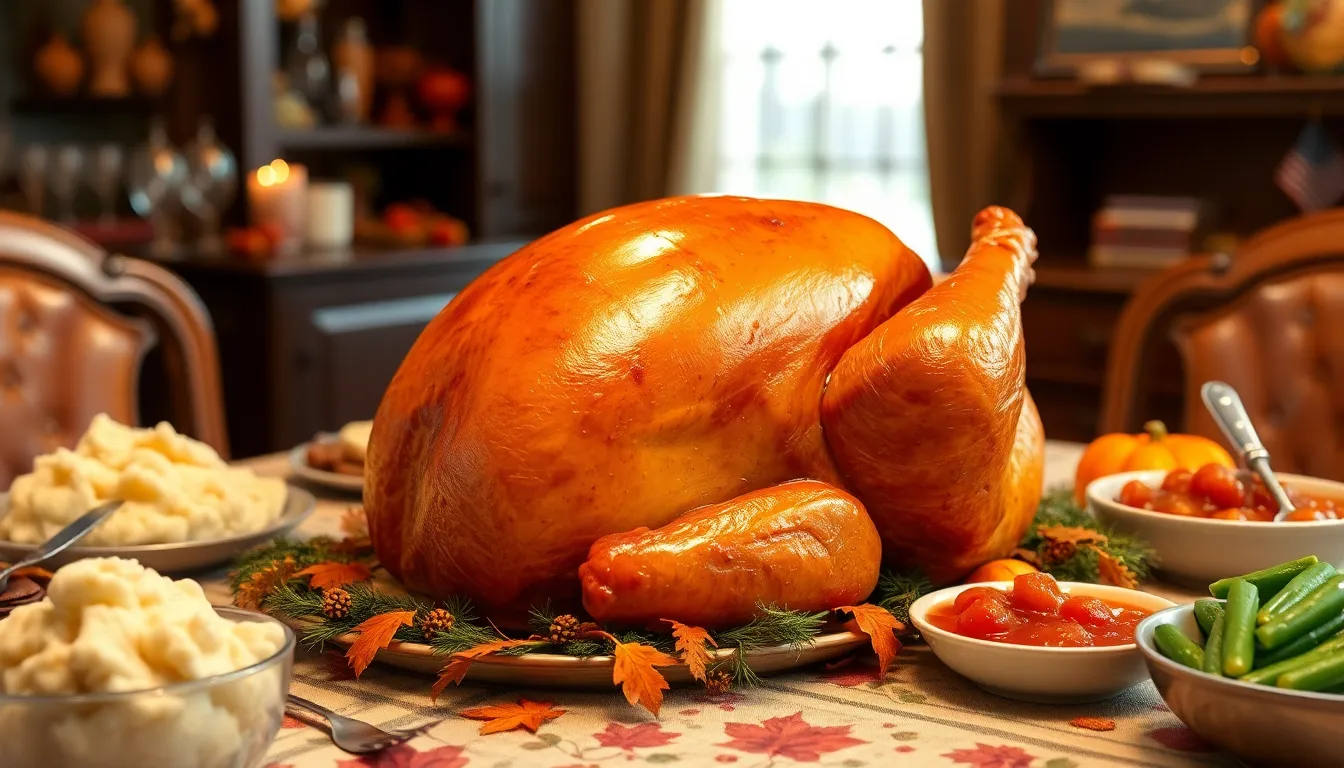
Butterball turkeys trace their roots back to a specific vision of quality and flavor. This section provides insight into the origins of the brand and its ongoing evolution.
Origins And Founding
Butterball Inc. was established in 1954 by the Johnson family in a small town in North Carolina. The name “Butterball” was chosen to reflect the quality and flavor associated with the brand’s turkeys. The founders focused on breeding turkeys that were tender, flavorful, and moist, employing innovative farming methods. By emphasizing humane treatment and high-quality feed, they laid the groundwork for a brand synonymous with holiday feasts in America.
Evolution Of The Brand
Butterball has evolved significantly since its inception, expanding its product line and refining its breeding techniques. The brand introduced self-basting turkeys in the 1970s, featuring an infusion of butter and seasoning for enhanced flavor and moisture. In response to consumer preferences, Butterball later launched organic and pre-seasoned varieties to cater to diverse dietary choices. The company’s commitment to quality remained steadfast, implementing rigorous inspections and quality assurance processes. Today, Butterball stands as a market leader, recognized for its dedication to innovation and excellence in turkey production, solidifying its place in holiday traditions across the United States.
Characteristics Of Butterball Turkeys
Butterball turkeys possess unique characteristics that set them apart from other turkey brands, specifically in quality, flavor, and size options.
Quality And Flavor
Butterball turkeys provide exceptional quality and flavor due to advanced breeding techniques and stringent standards. Their meat is renowned for being juicy, tender, and flavorful, appealing to a wide range of palates. Each turkey undergoes thorough inspections, ensuring optimal skin condition and size. The combination of quality feed, humane raising practices, and specialized breeding programs contribute to their superior taste and moisture retention, making them a preferred choice during holiday feasts.
Size Options Available
Butterball offers a diverse range of size options to cater to various needs. Sizes typically range from 8 to 30 pounds, accommodating small gatherings to large family celebrations. This variety allows customers to select a turkey that suits their specific gatherings, ensuring ample portions for all. By providing these options, Butterball ensures versatility and convenience for cooks aiming to deliver a memorable meal.
Cooking A Butterball Turkey
Cooking a Butterball turkey involves specific methods and tips to ensure a juicy and flavorful result. Following the right procedures simplifies preparation.
Recommended Cooking Methods
- Roasting: Roasting offers an excellent way to achieve a crispy skin. Preheat the oven to 325°F. Place the thawed turkey breast side up on a rack in a roasting pan. Cooking times vary by weight, typically ranging from 13 to 15 minutes per pound.
- Grilling: Grilling provides a smoky flavor. Preheat the grill and ensure indirect heat is used. Cook the turkey for approximately 2 to 2.5 hours, rotating occasionally for even cooking.
- Brining: Brining enhances moisture. Fully submerge the turkey in a brine solution (water, salt, herbs) for 12 to 24 hours prior to cooking. Remove, rinse thoroughly, and pat dry before roasting or grilling.
- Deep Frying: Deep frying delivers a unique taste. Heat oil to 350°F in a large pot. Lower the turkey carefully and cook for 3 to 4 minutes per pound, ensuring the proper safety precautions are in place.
Tips For Perfecting Your Turkey
- Thaw Properly: Thaw the turkey in the refrigerator for 24 hours per 4 to 5 pounds. This ensures even cooking.
- Use a Meat Thermometer: Insert a meat thermometer into the thickest part of the thigh without touching the bone. The internal temperature should reach 165°F for safe consumption.
- Let it Rest: Allow the turkey to rest for 20 to 30 minutes before carving. This helps retain juices and enhances tenderness.
- Season Generously: Use salt, pepper, and herbs both inside and outside the cavity for maximum flavor distribution.
- Baste Occasionally: Basting the turkey every 30 minutes with pan juices keeps the meat moist and enhances the flavor.
- Avoid Overcrowding the Oven: Ensure proper air circulation in the oven for even cooking, allowing the turkey to roast uniformly.
Nutritional Information
Butterball turkeys provide essential nutrients, making them a popular choice for holiday meals. A typical serving of 3.5 ounces of roasted Butterball turkey breast contains approximately:
| Nutrient | Amount per serving |
|---|---|
| Calories | 165 |
| Protein | 31 grams |
| Total Fat | 3.6 grams |
| Saturated Fat | 1 gram |
| Cholesterol | 85 milligrams |
| Sodium | 65 milligrams |
| Carbohydrates | 0 grams |
| Dietary Fiber | 0 grams |
| Sugars | 0 grams |
These values make Butterball turkey a lean protein option, low in carbohydrates and high in protein content. The low-calorie nature and minimal fat contribute to heart health, aligning well with dietary guidelines for balanced meals.
For families seeking protein-rich, low-fat options, Butterball turkeys align with many health-conscious eating plans. Their nutritional profile supports weight management and overall health, making Butterball a favored choice during festive occasions. Proper cooking methods, such as roasting or grilling, further maintain this turkey’s nutritional integrity, ensuring flavorful yet healthy dining experiences.
Butterball turkeys have become synonymous with holiday celebrations and family gatherings. Their commitment to quality and flavor sets them apart in the market. With a variety of options available, including organic and self-basting varieties, there’s a Butterball turkey to suit every taste and occasion.
The brand’s dedication to rigorous inspection and humane practices ensures that each turkey meets high standards. This attention to detail not only enhances the cooking experience but also guarantees a delicious meal that guests will remember.
Choosing a Butterball turkey means selecting a centerpiece that embodies tradition and quality, making it a perfect choice for any festive feast.