
Ever wondered what secrets your phone might be hiding? Those sneaky apps tucked away in the shadows could hold the key to unlocking new features or simply revealing that one game you forgot you downloaded. Whether it’s a productivity tool buried beneath layers of icons or a quirky app that’s just too embarrassing to admit, finding hidden apps can be a fun little adventure.
Understanding Hidden Apps
Hidden apps on smartphones refer to applications that users intentionally conceal from their main screens or app lists. Exploring these apps can reveal features or entertainment options that many users may forget about.
What Are Hidden Apps?
Hidden apps are applications not immediately visible on a smartphone. Users may hide these apps through settings or custom launchers. It’s common for users to place seldom-used apps in hidden folders, minimizing distractions. Some smartphone models include built-in options for hiding apps, allowing a cleaner interface.
Reasons for Hiding Apps
Various reasons motivate users to hide apps. Privacy concerns rank high, as individuals often conceal messaging or social media apps to protect personal information. Aesthetic choices also drive users to hide less visually appealing apps from their home screens. Additionally, hiding games or entertainment apps can help maintain focus, particularly in work or study environments.
How to Show Hidden Apps on My Phone
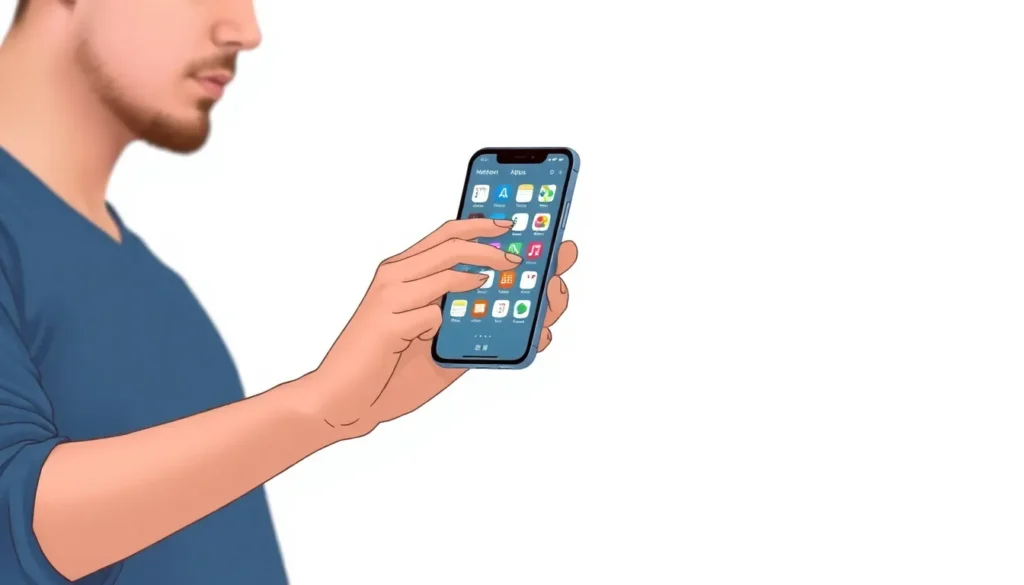
Finding hidden apps can enhance the smartphone experience. Users discover various methods for both Android and iOS devices to unveil these elusive applications.
Methods for Android Devices
Android users can quickly access hidden apps through the app drawer. Opening the app drawer reveals a menu where hidden apps may reside. Selecting the three-dot icon or “Settings” option often displays a list of hidden applications. Additionally, checking launcher settings might offer options to show hidden apps. Some users also benefit from restoring apps through the settings menu under “Apps” or by searching for the app directly in the search bar.
Methods for iOS Devices
iOS users utilize different techniques to uncover hidden apps. Navigating to the App Library can help locate apps that have been buried. Typing the app’s name in the search bar simplifies the process as well. For apps hidden due to content restrictions, users must access “Settings”, select “General”, and then adjust “Restrictions”. This pathway allows users to manage the visibility of apps effectively, ensuring accessibility.
Troubleshooting Issues
Hidden apps might not appear due to various common issues. Users often face challenges locating these applications on their devices. Problems can arise from incorrect settings or user errors during the hiding process. Some devices may limit visibility because of parental controls or specific launcher configurations.
Common Problems with Hidden Apps
Users frequently report difficulty finding hidden apps after accidentally moving them to inconspicuous folders. Launchers sometimes fail to display apps as intended. Misconfigured settings, such as the app being restricted under parental controls, can also hide applications without users realizing it. Furthermore, updates or changes in the operating system might alter how hidden apps function.
Solutions for Not Finding Hidden Apps
Navigating to the app drawer should reveal hidden apps for Android users. Selecting the three-dot icon may provide access to hidden items. Adjusting settings under launcher options could restore visibility of misconfigured apps. iOS users can try swiping down on the home screen and typing the app name in the search bar. Checking restrictions under “General” may also help recover hidden applications.
Tips for Managing Hidden Apps
Managing hidden apps effectively can enhance smartphone organizational habits. Users can maximize their devices by implementing simple strategies.
Organizing Your App Drawer
Organizing the app drawer streamlines access to hidden apps. Users can categorize applications by function. Grouping similar tools, like productivity or entertainment apps, simplifies navigation. Enabling a sorting feature often found in launcher settings aids in this process. Custom folders can also contain related apps, removing clutter. Tagging or naming these folders increases visibility. Regularly reviewing and updating the organization of apps ensures that no valuable application remains overlooked.
Using Privacy Features
Using privacy features protects sensitive information while managing hidden apps. Several smartphones possess built-in options like app locks or restricted access. Pinning these restrictions can help users maintain control over specific applications. Third-party apps also offer additional privacy levels with password protection or biometric verification. Configuring these settings often allows for better management of private apps, especially useful for shared devices. Users must regularly check their privacy settings to ensure optimal protection against unauthorized access.
Exploring hidden apps can unlock a treasure trove of features and tools that users may have forgotten about. By understanding how to access these concealed applications, individuals can enhance their smartphone experience and improve organization. Managing hidden apps not only helps in decluttering devices but also ensures that valuable resources remain easily accessible.
Staying aware of privacy settings and regularly reviewing app organization will contribute to a more efficient and secure smartphone usage. Embracing the hidden potential of these applications can lead to discovering new ways to enhance productivity and enjoyment on mobile devices.


