Electric vehicles are taking the world by storm, and it’s about time! Gone are the days of gas-guzzling cars that make you cringe at the pump. Today’s electric vehicles (EVs) are sleek, stylish, and packed with tech that would make even a sci-fi movie jealous. Imagine cruising down the highway in a car that’s not only good for the planet but also gives you the thrill of instant torque.
Table of Contents
ToggleOverview of Electric Vehicles
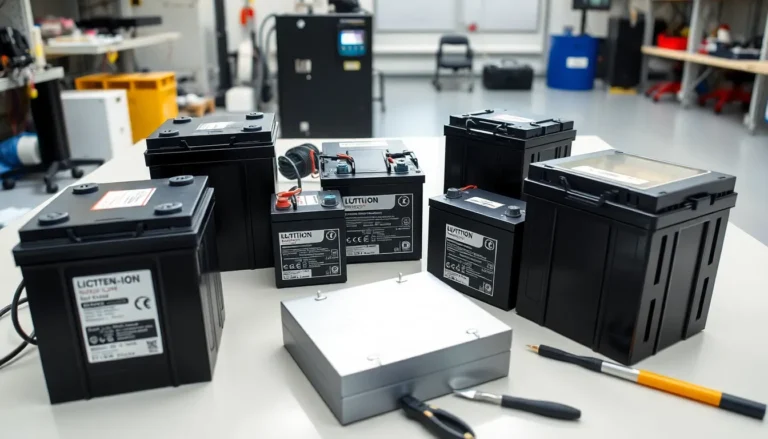
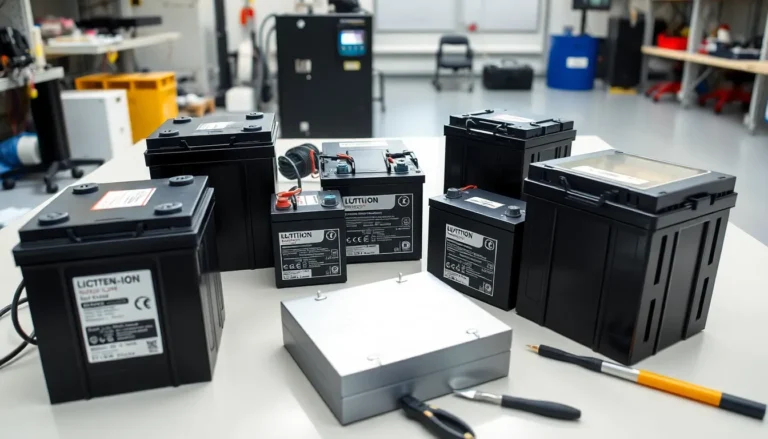
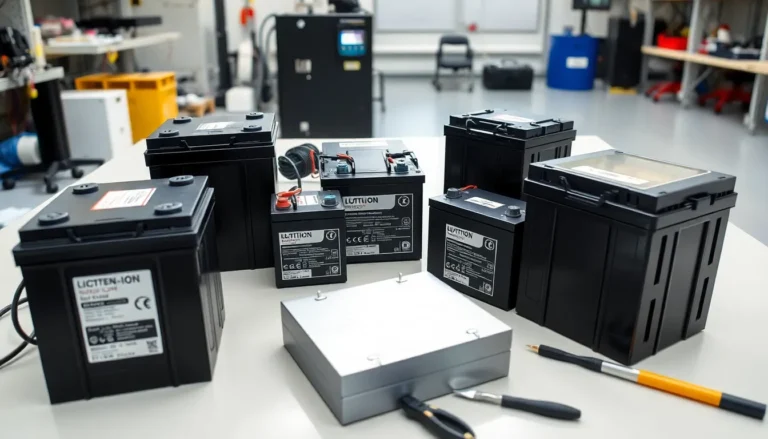
Electric vehicles (EVs) operate using electric motors powered by rechargeable batteries. This distinct power source enables EVs to offer an efficient, clean alternative to internal combustion engines.
Presently, various types of electric vehicles exist, including battery electric vehicles (BEVs) and plug-in hybrid electric vehicles (PHEVs). Each type presents unique benefits and charging options, catering to different consumer needs.
Environmental advantages remain a key selling point. EVs produce no tailpipe emissions, significantly reducing air pollution. Many regions experience improved air quality as EV adoption increases.
Additionally, charging infrastructure continually expands, making it easier for consumers to transition to electric. Public charging stations have surged, with thousands in operation across the United States alone.
Economic benefits also play a significant role in EV popularity. Operating costs tend to be lower for EVs compared to traditional vehicles, given the reduced maintenance needs and lower energy costs. Some estimates indicate potential savings of up to $1,000 annually on fuel and maintenance.
Driving experience stands out with electric vehicles. Instant torque provides swift acceleration, enhancing overall performance. Many drivers report a quieter, smoother ride, contributing to the appeal of EV ownership.
The future of electric vehicles appears bright, with advancements in technology and battery efficiency continually emerging. Many manufacturers commit to expanding their electric vehicle offerings, reflecting a clear industry trend toward sustainability.
Benefits of Electric Vehicles
Electric vehicles (EVs) offer numerous advantages that appeal to environmentally conscious consumers and cost-savvy drivers. Their unique features contribute to a growing preference for sustainable transportation.
Environmental Impact
EVs contribute significantly to reducing greenhouse gas emissions. Unlike traditional vehicles, they produce zero tailpipe emissions, leading to improved air quality in urban areas. Studies indicate that switching to electric reduces one’s carbon footprint, especially if the electricity source relies on renewable energy. In regions with extensive charging infrastructure, the collective impact of EVs on the environment becomes even more pronounced, promoting cleaner air and healthier communities.
Cost Savings
Owning an electric vehicle brings financial advantages that are hard to ignore. Annual savings on fuel and maintenance can reach up to $1,000 compared to gas-powered vehicles. EVs typically have fewer moving parts, resulting in lower repair costs. Furthermore, various incentives and tax credits can further decrease the initial purchase price, making electric vehicles a smart economic choice. As battery technology advances, the cost of EV ownership is expected to continue decreasing, enhancing affordability for a broader audience.
Types of Electric Vehicles
Electric vehicles come in several types, each designed to meet different needs and preferences. Understanding these categories helps consumers make informed choices.
Battery Electric Vehicles (BEVs)
Battery electric vehicles rely solely on electric power. These vehicles use large battery packs that store energy from external electrical sources. Charging occurs at home or at public stations, offering convenience for owners. BEVs produce zero tailpipe emissions, contributing to improved air quality. Many models boast impressive ranges, often exceeding 200 miles on a single charge. Advanced technology enhances performance and efficiency, appealing to environmentally conscious drivers. Popular options include the Tesla Model 3 and the Nissan Leaf, illustrating innovation in the market.
Plug-in Hybrid Electric Vehicles (PHEVs)
Plug-in hybrid electric vehicles combine electric power with traditional combustion engines. These hybrids feature both a battery and an internal combustion engine, allowing flexibility in how drivers use energy. PHEVs can operate in electric-only mode for short distances, significantly reducing fuel consumption. Once the battery depletes, the gasoline engine activates to extend the driving range. Many models offer charging capabilities at home or public stations, ensuring ease of use. The Toyota Prius Prime and the Ford Escape Plug-In Hybrid represent popular choices, demonstrating diversity among hybrid offerings.
Challenges Facing Electric Vehicles
Challenges exist in the electric vehicle (EV) market, impacting adoption rates and overall consumer experience. Addressing these challenges is crucial for ensuring widespread acceptance and use.
Charging Infrastructure
Charging infrastructure remains a significant hurdle for EVs. Access to public charging stations can be limited in certain areas, causing inconvenience for users. According to the Department of Energy, there are over 54,000 publicly available stations across the United States; however, uneven distribution limits usage in rural locations. Additionally, charging speed varies widely, with fast chargers offering quicker options than standard ones. Many consumers express concerns about longer charging times compared to refueling gas-powered vehicles. Expansion of fast-charging networks proves essential to alleviate these worries and enhance convenience for potential EV drivers.
Range Anxiety
Range anxiety affects many potential EV owners. While battery electric vehicles often offer over 200 miles on a single charge, concerns linger regarding battery life and trip limitations. Real-world driving scenarios and diverse conditions, like terrain and weather, can influence actual mileage, causing uncertainty among users. Studies indicate that about 90% of daily driving distances are manageable within current EV ranges. However, long-distance travel can pose challenges without adequate charging options. Increasing education on real-world usage, combined with expanding battery capacity, can reduce fears and encourage more individuals to adopt electric vehicles.
Future of Electric Vehicles
The future of electric vehicles looks bright. Ongoing advancements in technology and battery efficiency promise significant improvements.
Technological Innovations
Innovations in battery technology lead the charge in the EV sector. Solid-state batteries, providing higher energy densities, result in longer ranges and faster charging times. Additionally, vehicle-to-grid technology allows EVs to return energy to the grid, enhancing overall energy efficiency. Smart infrastructure incorporates AI to optimize charging stations. Enhanced regenerative braking systems contribute to increased efficiency by capturing energy while slowing down. These developments not only improve performance but also dramatically reduce costs over time.
Market Trends
Market trends indicate a strong shift towards electric vehicles. According to the International Energy Agency, global electric car sales reached over 10 million in 2022. Major automakers commit to expanding their electric lineups, with many planning to go fully electric by 2030. Consumer demand for sustainable transportation solutions rises, influenced by climate concerns and government incentives. According to recent surveys, up to 70% of customers show willingness to consider EVs for their next vehicle purchase. As more options become available, competitive pricing will further accelerate market growth.
Electric vehicles are transforming the automotive landscape with their innovative technology and environmental benefits. As the market expands and charging infrastructure improves, more consumers are likely to embrace this sustainable option.
The shift towards electric mobility reflects a growing awareness of climate change and a desire for cleaner transportation solutions. With advancements in battery technology and increasing affordability, electric vehicles are set to become a mainstream choice.
The future is bright for EVs as they promise not only lower emissions but also a more enjoyable driving experience. The journey towards a greener planet is well underway, and electric vehicles are leading the charge.