In a world where farmers are trading in their trusty steeds for sleek electric farm vehicles, the future of agriculture is looking brighter—and greener. Imagine zipping through fields in a whisper-quiet tractor that runs on sunshine rather than diesel. It’s not just a dream; it’s the reality of modern farming. These innovative machines are revolutionizing the way crops are cultivated, making the process more efficient and eco-friendly.
Overview of Electric Farm Vehicles
Electric farm vehicles represent a significant advancement in agricultural technology. These vehicles utilize electric energy, primarily sourced from renewable options, to perform essential farming tasks effectively. Battery-powered tractors, harvesters, and utility vehicles operate with reduced emissions, contributing to a cleaner environment.
The efficiency of electric farm vehicles improves operational costs. For instance, a study conducted by the American Society of Agronomy showed that electric tractors can reduce fuel expenses by up to 50%. Many models feature regenerative braking systems that extend battery life while enhancing overall power management.
Farmers benefit from the quiet operation of electric machinery. Noise reduction allows workers to focus on tasks without excessive distraction, improving overall productivity. These vehicles often require less maintenance compared to their diesel counterparts due to fewer moving parts, leading to decreased downtime.
Electric vehicles also exhibit versatility in their design, accommodating various attachments for specialized tasks. Common uses include tilling, planting, and transporting materials across vast fields. Such flexibility makes them valuable assets on any farm.
Incorporating electric farm vehicles fosters sustainability in agriculture. By transitioning to electric options, farms actively reduce their carbon footprint, demonstrating a commitment to environmental stewardship. Statistical data supports this trend, indicating that electric machinery can decrease greenhouse gas emissions by over 70%.
The adoption of electric farm vehicles presents an exciting opportunity for modern agriculture. As technology continues to evolve, these machines will likely play a pivotal role in shaping the future of farming, promoting efficiency and sustainability across the industry.
Benefits of Electric Farm Vehicles

Electric farm vehicles offer significant advantages for modern agriculture. Their innovative designs contribute positively to farm operations while prioritizing sustainability.
Environmental Impact
Electric farm vehicles lead to substantial reductions in greenhouse gas emissions. Studies indicate these vehicles can lower emissions by over 70%. They operate quietly, helping to preserve local ecosystems and biodiversity. Renewable energy sources, such as solar power, make them environmentally friendly alternatives to diesel-powered machinery. Furthermore, electric vehicles reduce reliance on fossil fuels, contributing to a decrease in air pollution. These factors combine to promote healthier farming practices.
Economic Advantages
Cost savings play a critical role in the appeal of electric farm vehicles. Reports show that electric tractors can cut fuel expenses by 50%. Maintenance costs are generally lower than those for traditional vehicles due to fewer moving parts. Farmers experience reduced downtime since electric vehicles have a longer lifespan and require less frequent repairs. The versatility of these machines allows them to perform multiple tasks, enhancing their value. Electric farm vehicles maximize efficiency, ultimately leading to increased profitability for agricultural operations.
Types of Electric Farm Vehicles
Electric farm vehicles come in various types, each designed to address specific agricultural tasks efficiently. With cutting-edge technology, these vehicles support sustainable farming practices.
Tractors
Electric tractors play a crucial role in modern agriculture. These machines offer significant fuel savings, cutting costs by up to 50%. Equipped with regenerative braking systems, electric tractors also extend battery life and improve power management. Quiet operation enhances focus, leading to improved productivity among farm workers. Many models feature advanced connectivity options, allowing for precision farming technologies, which further boost operational efficiency.
Harvesters
Electric harvesters represent a game-changer in crop collection. Their efficient design minimizes energy consumption while maximizing performance. With reduced emissions, these harvesters contribute to a healthier environment. Electric models often use lighter materials, increasing maneuverability in the field. Advanced sensors enhance accuracy during the harvesting process, reducing crop waste. Additionally, these machines are known for lower maintenance costs, resulting in less downtime and improved productivity for farmers.
Utility Vehicles
Utility vehicles are vital for various tasks on the farm. These versatile machines support everything from transporting goods to assisting in daily operations. Electric utility vehicles operate quietly, making them ideal for livestock management and crop care. Some models can tow substantial loads, proving their utility across different farming applications. Operating costs remain low due to minimal maintenance requirements. Many farmers appreciate the eco-friendly aspect of these vehicles, as they help reduce overall environmental impact.
Adoption Challenges
Adopting electric farm vehicles presents various challenges that must be addressed. Initial costs serve as a significant barrier for many farmers.
Initial Costs
High upfront prices often discourage farmers from transitioning to electric vehicles. Electric tractors and harvesters can exceed their diesel counterparts by 20% to 40%. Budget constraints amplify concerns, especially for small to medium-sized farms. Financing options do exist, but many operators remain cautious about committing to substantial investments without clear and immediate returns. Farmers may require evidence of long-term savings on fuel and maintenance expenses to justify these expenses. To combat this, manufacturers could offer attractive financing plans or incentives to lower initial barriers.
Infrastructure Needs
Adequate infrastructure is crucial for supporting electric farm vehicles. Charging stations must be readily available to ensure that electric vehicles operate efficiently. Farmers often encounter challenges in installing charging points, particularly in remote locations where grid connectivity is inadequate. Reliable access to renewable energy sources enhances the effectiveness of these vehicles, but many farms lack the necessary setup. Upgrading existing electrical systems requires time and additional investment. Collaborations among manufacturers, power companies, and local governments can drive infrastructure development, fostering effective integration of electric vehicles into conventional farming practices.
Future of Electric Farm Vehicles
Electric farm vehicles are poised for significant evolution in agriculture, driven by technological advancements and changing market dynamics.
Technological Innovations
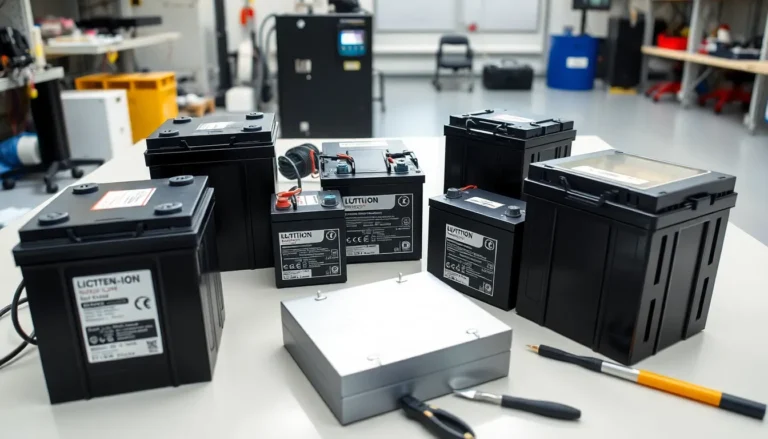
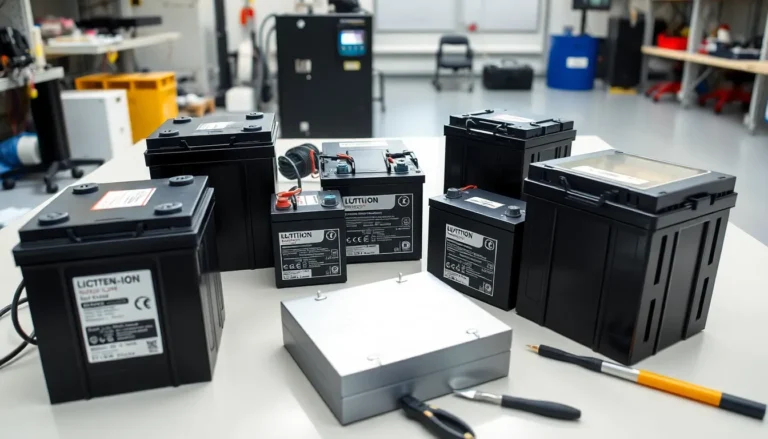
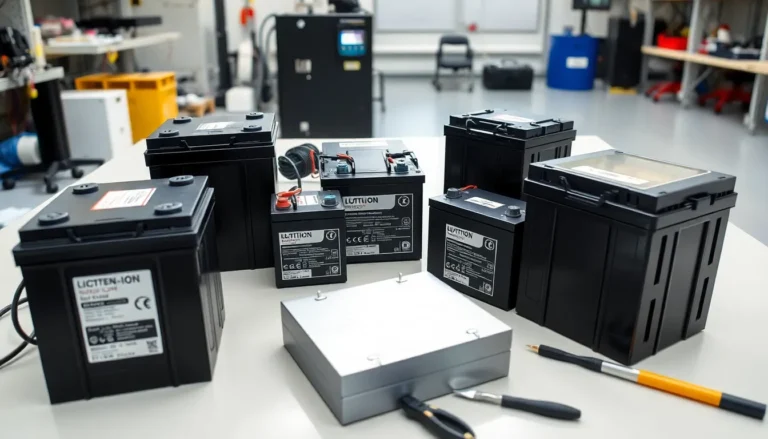
Innovations in battery technology enhance the performance of electric farm vehicles. New models feature quicker charging times and improved efficiency, allowing operators to complete tasks with minimal downtime. Advanced software integrations provide real-time data on usage and crop conditions, optimizing farming strategies. Manufacturers develop autonomous vehicles that require less human intervention, offering precision agriculture capabilities. Crop management systems integrated into these vehicles assess soil health and weather data, guiding farmers in decision-making. Such innovations not only increase productivity but also promote sustainable practices.
Market Trends
Trends indicate a growing demand for electric farm vehicles within the agricultural sector. Statista reports an expected compound annual growth rate of 17.5% in the electric agricultural vehicle market from 2021 to 2026. As sustainability becomes a priority, farmers increasingly prefer electric options to comply with environmental regulations. Investment in electric farm vehicles aligns with consumer preferences for greener products. The emergence of grants and incentives from governments accelerates adoption rates among agricultural producers. Increased collaborations among manufacturers and tech companies further support this transition, leading to more diverse electric offerings in the market.
Electric farm vehicles are revolutionizing the agricultural landscape by promoting sustainable practices and enhancing operational efficiency. As farmers embrace these innovative machines they can significantly reduce their carbon footprint while enjoying substantial cost savings.
The ongoing advancements in battery technology and software integration promise to further elevate the capabilities of electric vehicles. With a growing market driven by sustainability priorities and supportive government initiatives the future looks bright for electric farm vehicles.
By overcoming initial investment challenges and expanding charging infrastructure the agricultural sector can fully harness the potential of these eco-friendly alternatives. This shift not only benefits farmers but also contributes to a healthier planet for future generations.