In a world where security breaches are becoming increasingly common, biometric apps are revolutionizing how individuals and businesses protect their sensitive information. By leveraging unique biological traits like fingerprints, facial recognition, and voice patterns, these applications offer a level of security that traditional methods simply can’t match.
As technology continues to evolve, the adoption of biometric solutions is on the rise, making them a vital component in safeguarding personal and corporate data. With their user-friendly interfaces and robust security features, biometric apps not only enhance safety but also streamline access to devices and services. This article delves into the various types of biometric apps available today, their benefits, and how they’re shaping the future of digital security.
Overview of Biometric Apps
Biometric apps leverage unique biological traits to enhance security. They use methods such as fingerprint scanning, facial recognition, and voice pattern analysis. These applications provide a more secure alternative to traditional password systems.
Fingerprint recognition remains one of the most common features in biometric apps. This technology scans an individual’s fingerprints to grant access, making unauthorized entry difficult. Devices equipped with fingerprint sensors often unlock within seconds, offering convenience and speed.
Facial recognition technology analyzes facial features to identify users. It captures facial images and compares them with stored profiles. This method often appears in smartphones and security systems for quick, secure access.
Voice recognition utilizes vocal characteristics for verification. Biometric apps employing this method analyze voice patterns to authenticate users. This technology serves well in hands-free environments, enhancing security without physical contact.
Biometric apps often integrate multi-factor authentication (MFA). They combine biometric verification with traditional security, such as passwords or PINs. This layered approach ensures even higher security levels.
The ease of use associated with biometric apps contributes to their growing popularity. They simplify interactions while providing robust security measures. These applications cater to personal and corporate users, enhancing overall data protection.
Types of Biometric Apps
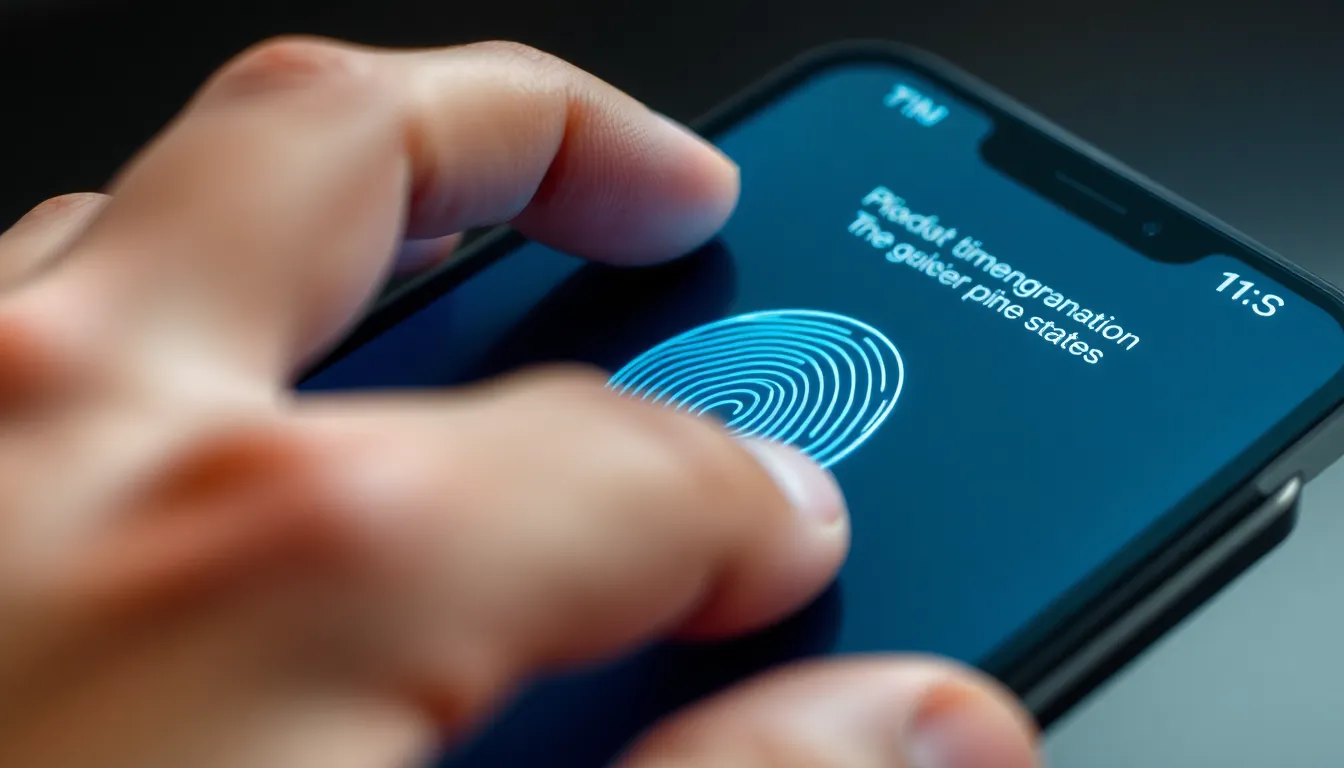
Biometric apps leverage unique biological traits for secure authentication. Key types include fingerprint recognition, facial recognition, and iris recognition.
Fingerprint Recognition Apps
Fingerprint recognition apps scan and analyze unique ridge patterns on individuals’ fingers. These apps provide fast and reliable access to devices and applications. Popular examples include smartphone unlocking features and banking apps. Security is enhanced with the unique nature of fingerprints, making it difficult to replicate.
Facial Recognition Apps
Facial recognition apps utilize advanced algorithms to analyze distinct facial features, such as the distance between eyes and the shape of the jawline. These apps are prevalent in security systems and personal devices. Applications in law enforcement and retail surveillance enhance safety measures. The convenience of unlocking smartphones through facial recognition contributes to widespread adoption.
Iris Recognition Apps
Iris recognition apps examine the unique patterns in the colored ring around a person’s pupil. This method ensures high accuracy and security due to the complexity and stability of iris patterns. Medical facilities and financial institutions implement these apps to protect sensitive information. Users benefit from fast authentication and minimal risk of fraudulent access.
Benefits of Biometric Apps
Biometric apps offer significant advantages for users and organizations by enhancing security and providing convenience. These benefits contribute to the increasing popularity and implementation of biometric solutions across various sectors.
Enhanced Security
Enhanced security stands as a primary benefit of biometric apps. Unlike traditional methods, biometric authentication relies on unique biological traits, making unauthorized access significantly harder. Fingerprint recognition provides quick access while analyzing individual ridge patterns without the risk of duplication. Facial recognition evaluates distinctive facial features, offering an added layer of security for personal devices and corporate environments. Iris recognition presents one of the highest forms of accuracy, making it an ideal choice for sensitive applications in medical and financial fields. By integrating multi-factor authentication (MFA), biometric apps combine biometric verification with additional measures such as passwords, further augmenting security and preventing breaches.
User Convenience
User convenience represents another essential aspect of biometric apps. Biometric solutions streamline the authentication process, allowing users to access devices and services swiftly without remembering multiple passwords or PINs. Fingerprint recognition unlocks smartphones in seconds, enhancing the user experience. Facial recognition enables hands-free access, ideal for busy environments. Additionally, voice recognition assists those who may have difficulty using other methods, providing inclusive technology options. Overall, biometric apps improve accessibility, streamline workflows, and enhance user satisfaction, making them a favored choice for many.
Challenges and Concerns
Biometric apps present several challenges and concerns that require attention. Key issues include privacy issues and accuracy and reliability.
Privacy Issues
Privacy concerns arise when using biometric data for authentication. Biometric data often includes sensitive information, such as fingerprints and facial images, which can be vulnerable to theft. A breach of this data could have severe consequences, as individuals cannot change their biometric traits like passwords. Regular security measures, such as encryption, play a crucial role in protecting this data. Companies must implement stringent policies for data collection, storage, and sharing to ensure users remain informed and secure.
Accuracy and Reliability
Accuracy and reliability are critical factors for biometric apps. False positives can occur, where an unauthorized user gains access, while false negatives may deny access to legitimate users. Environmental conditions, such as lighting for facial recognition or dirt on a fingerprint scanner, can hinder performance and accuracy. Continual improvements in algorithms and sensor technologies aim to enhance the reliability of these applications. However, users must remain aware that no biometric system is infallible.
Future Trends in Biometric Apps
Biometric apps are poised to advance significantly, reflecting the rapid evolution of technology and user needs. Increased accuracy through improved algorithms will enhance recognition processes. For instance, machine learning techniques are refining fingerprint and facial recognition, reducing false positives and negatives, which strengthens overall security.
Integration with emerging technologies, such as artificial intelligence (AI), will further define the landscape of biometric applications. AI can optimize user experience through context-aware authentication, allowing apps to determine the appropriateness of biometric verification based on situational factors.
Privacy and security priorities will shape the future development of biometric apps. Developers will focus on decentralized authentication methods, safeguarding sensitive data by minimizing central storage of biometric information. This approach will mitigate risks associated with data breaches while ensuring user trust.
Adoption across industries will grow, with biometric apps expanding beyond personal devices into sectors like healthcare and finance. Custom applications will tailor solutions to specific industry needs, enhancing operational efficiency and security measures.
Regulatory compliance will become essential as biometric technology proliferates. Governments will implement regulations focusing on data protection and privacy, prompting companies to enhance their security frameworks and practices.
Moreover, user acceptance of biometric apps will rise, fueled by increasing awareness of their benefits. Continued education on biometric systems will foster a more knowledgeable user base, leading to higher adoption rates.
Collaborations between tech companies and security organizations will also be pivotal. Partnerships will foster innovation, drive research, and establish best practices, accelerating the development of reliable biometric solutions.
Overall, the convergence of these trends signals a transformative future for biometric apps, paving the way for enhanced security solutions that adapt to evolving technology landscapes and user demands.
Biometric apps are revolutionizing the way individuals and organizations approach security. By leveraging unique biological traits for authentication, these applications offer a level of protection that traditional methods simply can’t match. As the technology evolves, users can expect even greater accuracy and convenience.
The integration of multi-factor authentication and advancements in artificial intelligence will further enhance the effectiveness of these solutions. With increasing awareness and acceptance, the future of biometric apps looks promising. They’re not just a trend; they’re becoming a vital component of modern security strategies across various industries. Embracing these innovations will help ensure that personal and corporate data remain secure in an ever-changing digital landscape.