Imagine zooming around town in a sleek electric vehicle without the hassle of a driver’s license. Sounds like a dream, right? Well, it’s a reality for many who are opting for electric vehicles that don’t require a license. These quirky little rides offer a fun, eco-friendly alternative to traditional transportation, and they’re perfect for those who want to skip the DMV drama.
Overview of Electric Vehicles That Don’t Require a License
Electric vehicles that don’t require a license cater to individuals seeking accessible transportation options. These vehicles, including electric scooters, e-bikes, and certain low-speed electric vehicles (LSEVs), offer a convenient travel solution. Riders often appreciate their ease of use and minimal regulatory requirements.
Many regions permit the operation of electric scooters and e-bikes without a license. They provide an effective means for short-distance commutes in urban areas. Standard electric scooters typically feature a maximum speed of 15 to 20 mph, allowing safe navigation on bike lanes and sidewalks.
Low-speed electric vehicles, often referred to as neighborhood electric vehicles (NEVs), can operate on roads with speed limits of 35 mph or lower. These vehicles commonly accommodate two to four passengers, making them ideal for quick trips around neighborhoods. Owners benefit from the low maintenance costs associated with electric powertrains.
Some states exempt certain e-bikes from licensing, allowing riders aged 16 and older to operate them freely. The classification of these e-bikes often depends on their maximum speed and motor power. In most cases, riders don’t need insurance or registration, significantly reducing barriers to entry.
Electric vehicle options expand each year, reflecting the growing interest in sustainable transportation. Manufacturers continue to innovate, leading to a broader selection of environmentally friendly vehicles. Individuals currently exploring these options can find suitable alternatives to conventional cars, aligning with eco-conscious values.
Types of License-Free Electric Vehicles
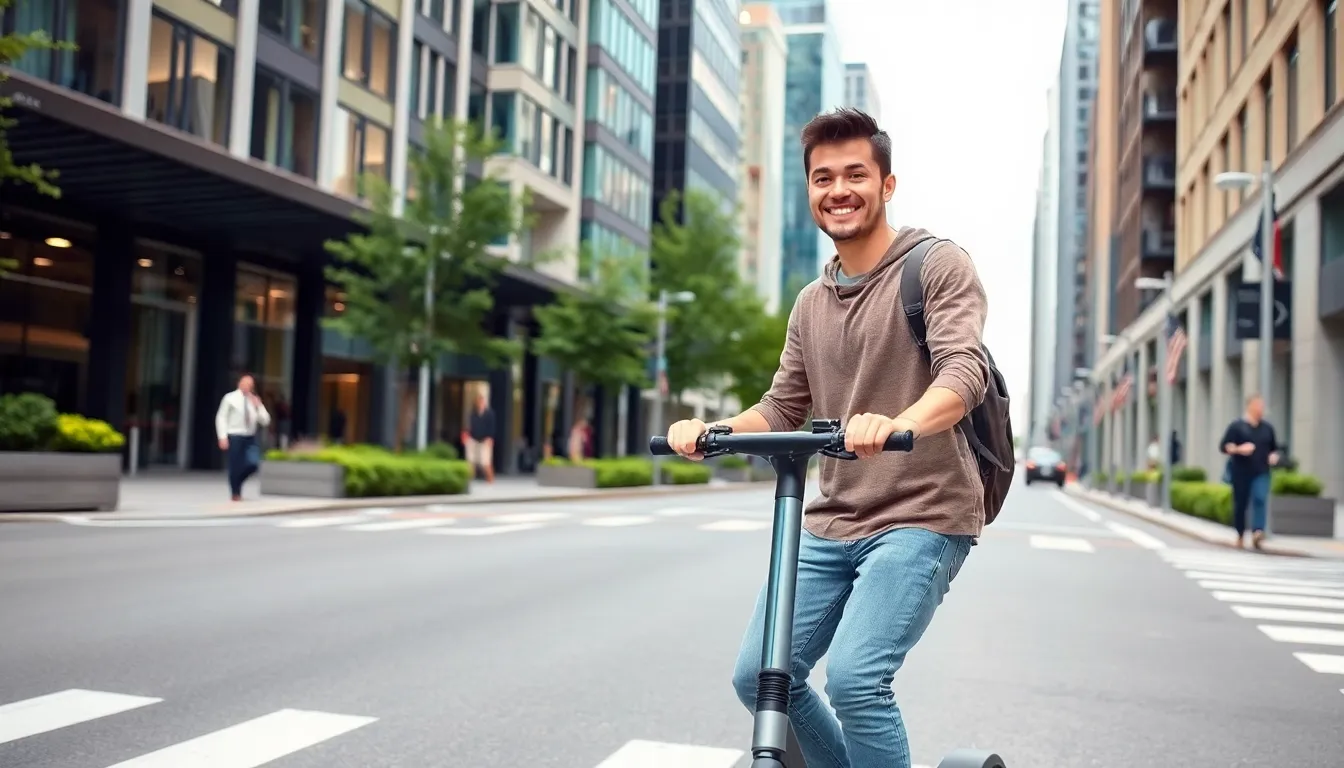
Various types of electric vehicles do not require a driver’s license, offering accessible options for those seeking eco-friendly transportation. Here are some of the most popular categories.
E-Scooters
Electric scooters provide a convenient mode of transportation for short trips. Standard models usually operate at speeds between 15 and 20 mph. Many cities allow riders aged 16 and older to use these scooters without any licensing requirements. Riders enjoy the ease of parking and maneuverability in urban areas. E-scooters often feature foldable designs, making them convenient for storage and transport. Rental services have surged in popularity, allowing riders to access e-scooters easily throughout city landscapes.
Electric Bicycles
Electric bicycles, or e-bikes, have gained traction as a sustainable transport choice. Certain states permit individuals aged 16 and older to ride e-bikes without a license. With varied models available, riders can select e-bikes that suit their commuting needs, whether for leisure or daily use. E-bikes typically incorporate pedal-assist technology, which enhances traditional cycling. This feature allows riders to maintain a speed effortlessly, making longer distances more achievable. The combination of exercise and transport appeals to many urban dwellers seeking to reduce their carbon footprint.
Electric Skateboards
Electric skateboards present another innovative option for license-free travel. Many models reach speeds of around 20 mph, offering a fun and engaging ride. Riders often find electric skateboarding to be an exciting alternative to traditional methods of transportation. Regulations vary by region, but many jurisdictions allow riders to operate these devices without a license. This growing trend includes an increase in various skateboard designs, from compact boards to larger longboards. The versatility and fun factor of electric skateboards attract younger audiences and urban commuters alike.
Legal Requirements and Regulations
Understanding the legal landscape for electric vehicles that don’t require a license is crucial for potential users. Some states, for example, permit certain electric scooters and e-bikes to operate without requiring a driver’s license. Age restrictions often apply, with many jurisdictions allowing riders aged 16 and older to use these vehicles freely.
Insurance and registration are typically not necessary for low-speed electric vehicles, commonly known as LSEVs, designed for neighborhood travel. Regulations frequently categorize these vehicles, determining where and how they can be used. Areas with speed limits of 35 mph or lower usually accommodate neighborhood electric vehicles effectively.
Electric bicycle regulations vary significantly across states. While some areas classify e-bikes into three distinct classes, others impose no licensing requirements at all. Riders enjoy the freedom to navigate urban environments without concern for complex legal obligations.
Local laws often dictate the use of electric skateboards by establishing specific usage zones. Some cities allow unrestricted operations while others may limit travel to designated bike lanes and paths. Compliance with local ordinances becomes important for safe and legal travel.
As the electric vehicle market grows, understanding the evolving regulations supports responsible ownership. Keeping track of legislative changes ensures riders stay informed about their legal rights and responsibilities. Each type of vehicle presents unique regulations, impacting how they integrate into daily life.
Benefits of Using Electric Vehicles That Don’t Require a License
Electric vehicles that don’t require a license offer numerous advantages. These benefits enhance the appeal of eco-friendly transportation options for diverse populations.
Accessibility and Convenience
Accessibility stands out as a major benefit of license-free electric vehicles. Riders aged 16 and older find it easy to enjoy e-bikes, e-scooters, and other options without navigating complex licensing processes. Convenience plays a key role; individuals can start using these vehicles immediately rather than waiting for a traditional driver’s license. Electric scooters typically operate efficiently on urban streets, making short-distance commutes quick and hassle-free. Additionally, LSEVs accommodate up to four passengers, ideal for group travel without the overhead of insurance or registration. The simplicity of these vehicles aligns with urban lifestyles, allowing for easy parking and reduced traffic stress.
Environmental Impact
Environmental impact represents a significant advantage of electric vehicles without licensing requirements. These vehicles emit no tailpipe pollutants, contributing to cleaner air quality in urban areas. E-bikes and e-scooters utilize electric power, reducing dependence on fossil fuels. The sustainability of these vehicles reflects a broader shift towards eco-friendly transportation methods. Furthermore, choosing electric scooters or low-speed electric vehicles decreases overall carbon footprints, as they consume less energy compared to traditional cars. By opting for these greener alternatives, users actively participate in promoting a healthier environment. Overall, these vehicles help reduce congestion, offering a smart solution for modern urban transportation challenges.
Popular Models and Brands
Electric scooters, such as those from Razor and Bird, stand out for their urban appeal. Razor offers several models featuring foldable designs and lightweight frames, ideal for easy storage. Bird has gained recognition for its dockless rental scooters, which provide accessible transportation options without licensing requirements.
E-bikes, including the Rad Power Bikes and Ancheer models, provide an excellent alternative for short commutes. Rad Power Bikes boasts a diverse range of styles, from folding to cargo, making them versatile for various needs. Ancheer features budget-friendly options with pedal-assist technology that enhances energy efficiency during travel.
Neighborhood electric vehicles (NEVs), like the GEM e2 from Polaris and the E-Z-GO Express, cater to community travel. The GEM e2 offers a compact design that can accommodate four passengers, providing a practical solution for neighborhood errands. E-Z-GO Express focuses on comfort with options for customization, making it a popular choice for family outings.
Electric skateboards, represented by brands like Boosted and Evolve, combine style and functionality. Boosted has built a reputation for high-performance products that appeal to adrenaline seekers. Evolve offers all-terrain boards, making them suitable for riders who prefer versatility on varying surfaces.
Key features to note across these vehicles include their eco-friendliness and ease of use. They emit no tailpipe pollutants, significantly lowering carbon footprints. They’re designed for straightforward operation, allowing riders aged 16 and older to enjoy hassle-free rides without complex licensing requirements. Overall, these models and brands highlight the evolving landscape of transportation, emphasizing accessibility and sustainability.
Electric vehicles that don’t require a license are reshaping urban transportation. They offer a practical solution for those seeking an easy and eco-friendly way to navigate their surroundings. With options like e-scooters and e-bikes, individuals can enjoy the freedom of movement without the hassle of traditional licensing.
As these vehicles become more popular their role in reducing congestion and promoting cleaner air grows. The convenience of using them for short commutes makes them an attractive choice for many. With a variety of models available, riders can find the perfect fit for their lifestyle while contributing to a more sustainable future.