
Fiber plays a crucial role in digestive health, yet many people underestimate its impact on their bowel movements. Understanding what fiber does to poop can shed light on why it’s essential for maintaining a healthy gut. This often-overlooked nutrient comes in two forms: soluble and insoluble, each contributing uniquely to digestive function.
When consumed, fiber helps regulate bowel movements, prevent constipation, and even support gut bacteria. It adds bulk to stool and promotes regularity, making it a key player in digestive wellness. By exploring the effects of fiber on poop, individuals can gain valuable insights into their overall health and the importance of a balanced diet rich in this vital nutrient.
Understanding Fiber
Fiber plays a critical role in digestive health and overall well-being. It comes in two distinct forms—soluble and insoluble—each contributing uniquely to bowel health.
Types of Fiber
- Soluble Fiber: Soluble fiber dissolves in water and forms a gel-like substance. It slows digestion, helping regulate blood sugar levels and lowering cholesterol. Foods rich in soluble fiber include oats, beans, lentils, and fruits like apples and citrus.
- Insoluble Fiber: Insoluble fiber does not dissolve in water and adds bulk to stool. It promotes regular bowel movements by speeding up the passage of waste through the digestive tract. Whole grains, nuts, seeds, and vegetables such as carrots and cucumbers are excellent sources of insoluble fiber.
Sources of Fiber
- Fruits: Apples, bananas, oranges, and berries provide both types of fiber, making them great for digestion.
- Vegetables: Leafy greens, broccoli, and root vegetables are high in fiber and essential nutrients that support gut health.
- Legumes: Beans, lentils, and peas offer significant fiber content, along with protein and other vital minerals.
- Whole Grains: Quinoa, brown rice, and whole wheat products supply ample amounts of insoluble fiber, promoting digestive regularity.
- Nuts and Seeds: Almonds, chia seeds, and flaxseeds deliver healthy fats along with high fiber, aiding in digestive health.
Incorporating a variety of these fiber sources into a diet ensures adequate fiber intake for optimal digestive function.
The Role of Fiber in Digestion
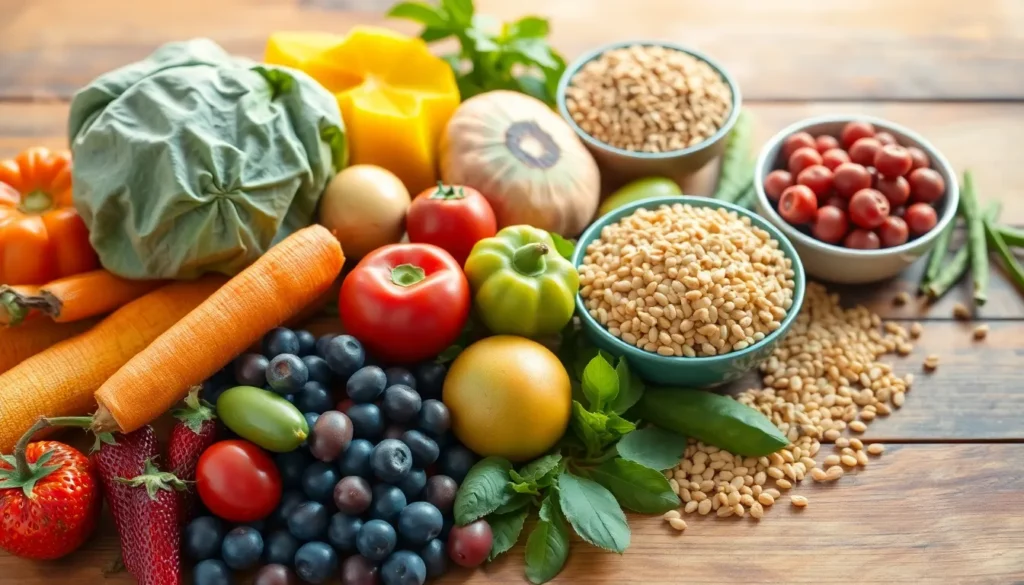
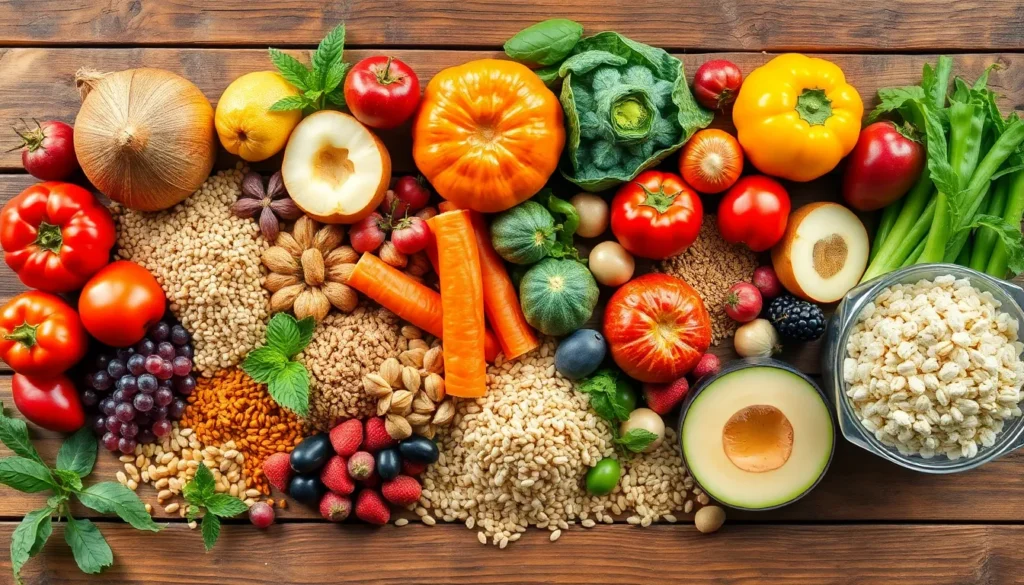
Fiber plays a crucial role in digestion, primarily by influencing bowel movements and supporting gut health. Understanding how fiber functions in these areas highlights its significance in a balanced diet.
How Fiber Affects Bowel Movements
Fiber affects bowel movements by enhancing stool consistency and promoting regularity. Soluble fiber slows digestion, which allows for better nutrient absorption as it forms a gel-like substance in the intestines. This gel helps regulate blood sugar levels and lowers cholesterol. On the other hand, insoluble fiber accelerates the movement of waste through the digestive tract, adding bulk to stool. Regular consumption of foods like whole grains, fruits, and vegetables can lead to softer, well-formed stools, reducing the risk of constipation and discomfort.
Fiber and Gut Health
Fiber supports gut health by fueling beneficial gut bacteria. These bacteria ferment soluble fiber into short-chain fatty acids, which contribute to colon health and decrease inflammation. A diverse intake of fiber fosters a balanced microbiome, essential for overall digestive well-being. Foods rich in both forms of fiber, including legumes, nuts, seeds, and vegetables, enhance the health of the gut lining and boost the immune system. Incorporating a variety of fiber sources into the diet ensures ongoing gut health and optimal digestive function.
What Does Fiber Do to Your Poop?
Fiber significantly impacts stool consistency and overall digestive health. It affects bowel movements and contributes to gut health through its two distinct forms: soluble and insoluble fiber.
Effects of Soluble Fiber
Soluble fiber dissolves in water, creating a gel-like substance. This gel slows digestion, which assists in regulating blood sugar levels and lowering cholesterol. Soluble fiber absorbs excess water, leading to softer stool that’s easier to pass. Foods high in soluble fiber, such as oats, beans, lentils, and fruits like apples and citrus, contribute to minimizing the risk of constipation. When consumed regularly, soluble fiber can improve bowel movement frequency and consistency, reducing discomfort during digestion.
Effects of Insoluble Fiber
Insoluble fiber does not dissolve in water and adds bulk to stool. It promotes regular bowel movements by accelerating waste passage through the digestive tract. By increasing stool bulk, insoluble fiber helps prevent constipation and encourages timely elimination. Excellent sources of insoluble fiber include whole grains, nuts, seeds, and vegetables like carrots and cucumbers. Regular intake of insoluble fiber supports a healthy digestive process and contributes to overall bowel health.
Recommended Fiber Intake
Meeting daily fiber requirements promotes optimal digestive health. Dietary guidelines suggest specific fiber intake levels to achieve beneficial effects on bowel movements and overall gut function.
Daily Fiber Recommendations
Adult men should aim for 38 grams of fiber per day, while adult women should target 25 grams. These values vary based on age and dietary needs. Children also require fiber, with recommendations ranging from 19 to 34 grams per day, depending on their age range. It’s essential to integrate both soluble and insoluble fiber sources to meet these targets effectively.
| Age Group | Recommended Fiber Intake (grams/day) |
|---|---|
| Children (1-3 years) | 19 |
| Children (4-8 years) | 25 |
| Girls (9-13 years) | 26 |
| Boys (9-13 years) | 31 |
| Women (14-50 years) | 25 |
| Men (14-50 years) | 38 |
| Women (51+ years) | 21 |
| Men (51+ years) | 30 |
Tips for Increasing Fiber Intake
Incorporating fiber into the diet can enhance digestive function. Here are practical strategies to boost fiber consumption:
- Add whole grains to meals, such as switching to whole wheat bread and brown rice.
- Include legumes like beans, lentils, and chickpeas in salads or soups.
- Snack on fruits and vegetables, opting for options with edible skins like apples, pears, and carrots.
- Choose high-fiber cereals for breakfast, ensuring they contain at least 5 grams of fiber per serving.
- Experiment with nuts and seeds by adding them to yogurt or salads for additional crunch and fiber.
- Gradually increase fiber intake to prevent digestive discomfort, allowing the body to adjust.
- Stay hydrated by drinking plenty of water to complement fiber’s effects on digestion.
Following these tips promotes higher fiber consumption, supporting healthy bowel movements and overall gut health.


